Most hunters aim too high — and it costs them clean kills. On South African plains game, a misplaced shot by mere centimetres means suffering animals, wasted meat, and a hunt you won’t forget for the wrong reasons. Ethical shot placement demands precise anatomy knowledge, the right calibre, and nerves that don’t flinch at the moment of truth. Before you raise that rifle, there’s a disciplined system separating a seamless harvest from a tracking nightmare.
Informational Intent and Format: Quick Guide to Ethical Heart-Lung Shot Placement
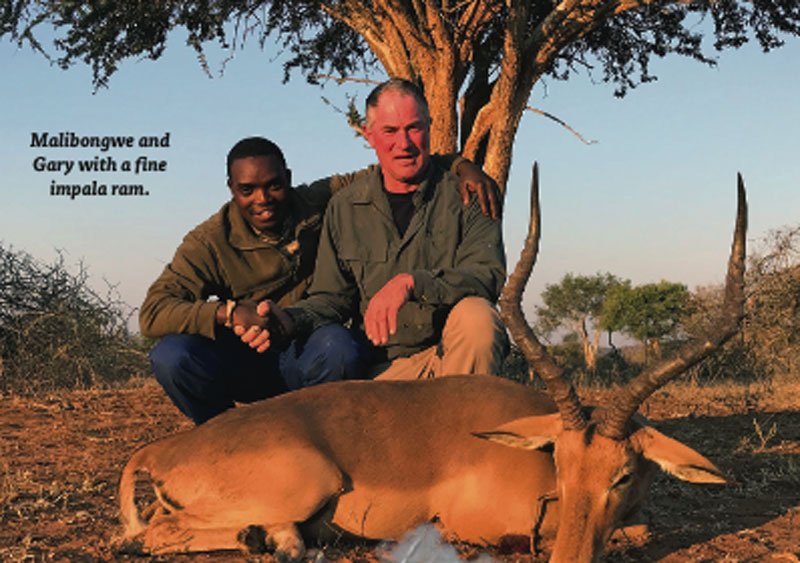
Start by appreciating that the ethical objective is a quick, humane kill by placing the shot through the heart and lungs. You focus on a heart lung shot African game, aiming for the lower third of the chest, just behind the front leg. You prefer a broadside or a slight quartering away shot for maximum critical exposure. You avoid quartering-towards and rear shots due to poor angles. Working with professional guided hunts ensures you receive expert coaching on these angles before and during your time in the field.
Start with the goal: a quick, humane heart–lung shot—aim low behind the front leg, broadside or slight quartering away.
“Primary aim point”
- Broadside: aim just behind shoulder, approximately one-third up from chest bottom.
- Quartering away: aim forward through rib cage into lungs/heart.
“Execution factors”
- Distance: match calibre and zero. Typical rifle zero 100 m.
- Movement: wait for stable sight image.
- Rule: if vitals aren’t certain, pass the shot.
- Remember that shot placement is the single most important factor in ensuring a humane outcome.
Key Anatomical Differences: African Plains Game Vitals Sit Further Forward Than in North America
Because African plains game have chest anatomy shifted forward, you must adjust your visual hold point compared with typical North American targets. You’ll learn that African plains game anatomy places the heart-lung complex further forward in the chest. This changes your aiming reference and impacts shot planning.
- Aim more forward, above the front leg, to reach African game crucial organs.
- Shots through the shoulder often intersect the heart-lung zone on broadside animals.
- For quartering angles, visualise critical organs between shoulders and adjust aim accordingly.
- Practise the new visual hold point at known ranges, and confirm with the PH.
“Study species anatomy before the hunt,” is practical advice. A measured approach yields greater ethical success and a higher probability of a clean, humane outcome. Working alongside professional nature guides who specialise in tailored wildlife experiences can sharpen your field awareness and reinforce sound anatomical knowledge before you take aim. Hunters should consult a PH on-site because PH guidance is valuable and instrumental to success.
Aim Here: The Lower-Third Shoulder Heart-and-Lungs Zone for Broadside Shots
When an African plains animal stands broadside, aim for the lower third of the shoulder to intersect the heart-and-lungs complex. You should use the lower-third shoulder aim point, just behind the front leg closest to you. Aim about one-third up from the bottom of the chest towards the back. This aligns the bullet path with the heart and lungs. “Practical reference: behind near-side front leg, low in chest.” – Target size: largest forgiving area for broadside shots. – Anatomical goal: enter ribs and pass through chest cavity to essential organs. – Training: practise until you can reliably hit a 30 cm zone at typical hunting ranges. Follow professional hunter guidance, prioritise accuracy, and wait for the correct angle for a clean, humane result. Before your hunt even begins, coordinating your South Africa hunting permits and firearm import documentation in advance ensures you arrive at camp stress-free and ready to focus entirely on ethical shot execution. Hunters should prefer shot angles like broadside to maximise the chance of ethical kills.
Quartering‑Away vs Broadside: When to Wait, How to Align the Bullet Path Through the Chest
Quartering-away can be an ethical and effective shot angle, but you must align the bullet path to cross the heart-lung corridor rather than just the hide. You should prefer a broadside hunting shot when the animal presents perpendicular. Broadside gives an 8–10 inch target through the chest cavity. Aim low and centred behind the front shoulder.
- On quartering-away aim further back; plan exit near the opposite front leg.
- Make certain the projectile travels through the rib cage into heart and lungs.
- Avoid narrow angles as body depth and stomach can block vitals.
- Wait if angle risks hitting shoulder blade or abdomen; choose a cleaner presentation.
“You’ll be delighted with a quick, humane outcome when alignment and timing match.” Hunters should remember that a broadside shot is often considered the best shot for both firearms and bows. Working alongside professional South African hunting outfitters ensures you receive expert guidance on reading animal body language and anticipating the ideal moment to take your shot.
Field Discipline and Gear: Patience, Rifle Choice, Bullets, and Support for Consistent Ethical Hits
Good field discipline gives you consistent, ethical hits and protects animal welfare, safety, and conservation goals. You practise controlled pressure, wind-reading, and terrain assessment. You wait for clear, chest-on or broadside angles. You only shoot within confirmed effective range.
Good field discipline yields ethical, consistent shots—practise wind-reading, terrain assessment, and only shoot clear, chest-on or broadside within range
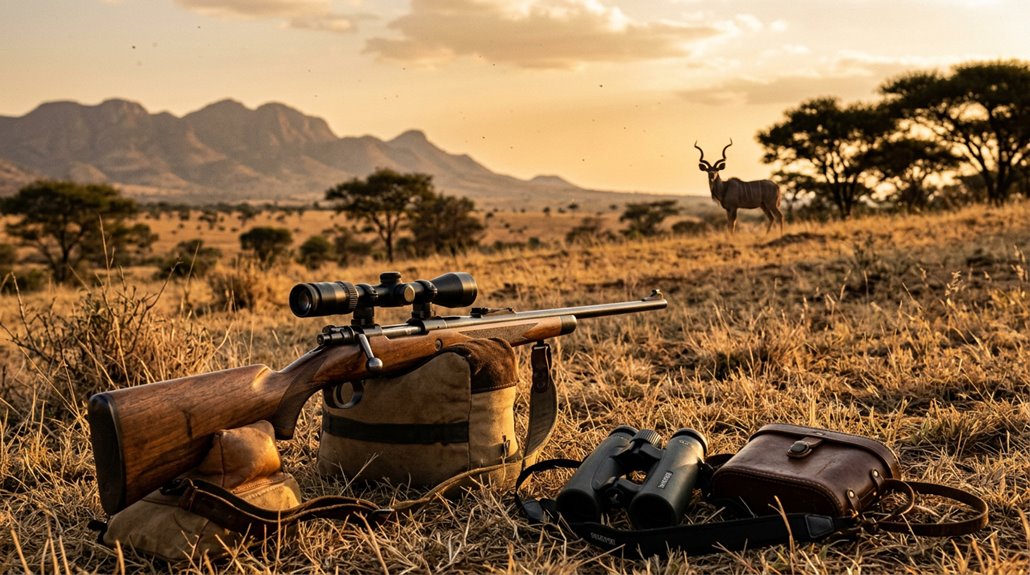
“Rifle choice matters.” Use a rifle you handle well. Confirm zero at 100–300 m and know drop at 400 m. Match calibre to quarry: .243–.308 for small plains game, .30–.338 for medium, .375+ for buffalo. Solids for heavy game.
“Bullet selection priorities.” Penetration and weight retention over expansion. Test factory loads for your rifle and ranges.
Support gear checklist:
- Binoculars, bino suspension
- Sturdy boots
- Rangefinder (±1 m)
- Bipod or rest
Once an animal is successfully taken, professional field preparation begins immediately to protect skin and horn quality, ensuring your trophy field preparation maintains the highest standards from the first moment in the bush.
This approach supports hunting shot placement and ethical hunting africa. Additionally, coordinate documentation and Professional Hunter-led planning to ensure legal compliance and field safety conservation-aligned game management.