Forget five-star dining rooms — the most extraordinary meal in South Africa happens around a crackling fire, with a cast-iron pot bubbling over an open flame and boerewors sizzling on a grill just metres from the wilderness. This isn’t a staged cultural performance; it’s how locals have eaten for generations. From family-style pap and chakalaka to melt-in-your-mouth biltong and creamy melktert, traditional bush cuisine is raw, communal, and deeply intentional. There’s one surprising detail about how these meals are sourced that changes everything.
What to Expect at a Daily Bush Braai: Menu, Atmosphere, and Timing
Usually you’ll join a bush braai in the late afternoon, with pickups commonly scheduled between 15:15 and 16:00 and the full excursion lasting about 6 hours.
Usually join a late-afternoon bush braai — pickups around 15:15–16:00, whole excursion about six hours.
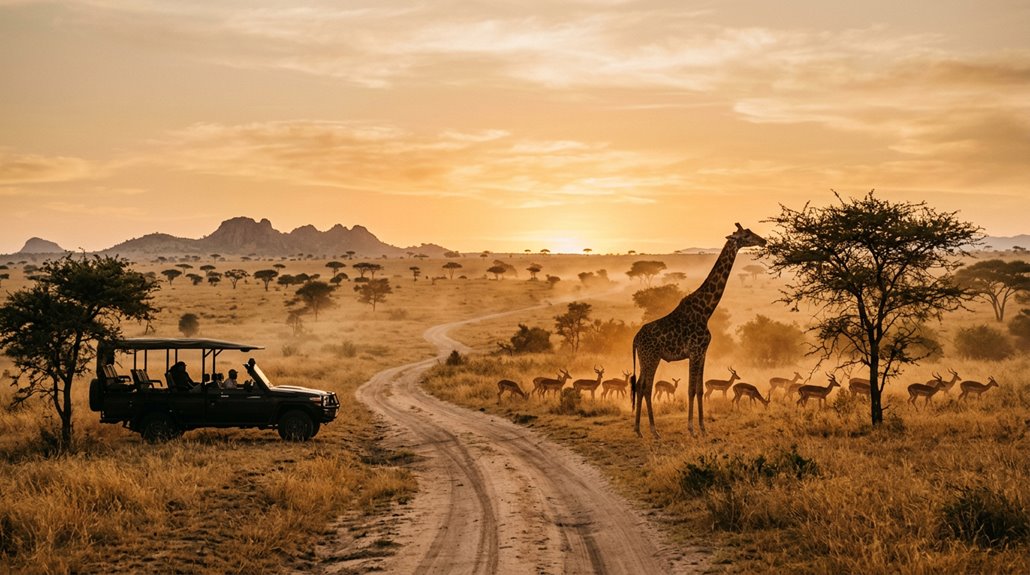
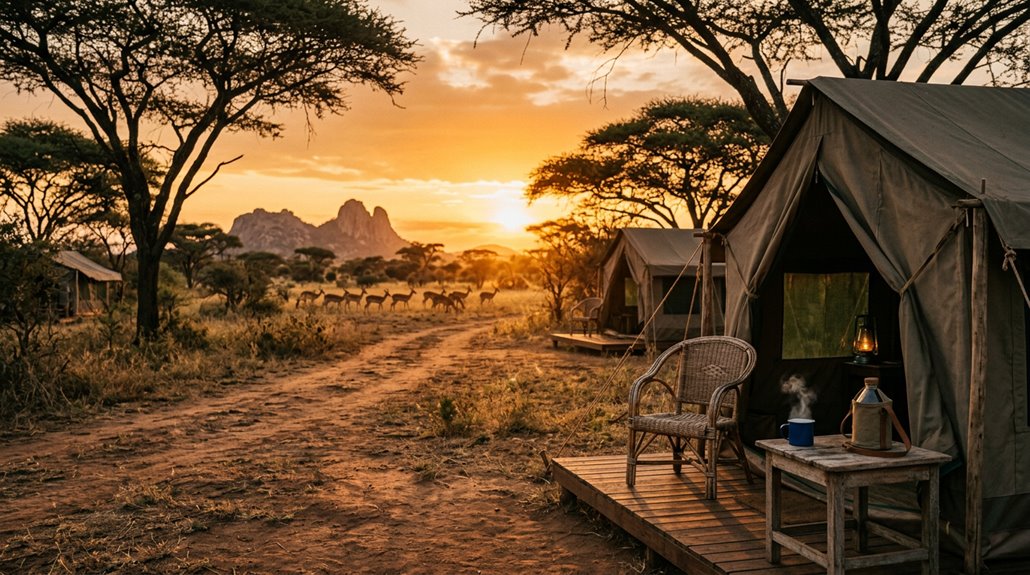
You arrive to an open bush setting, fires and lanterns creating the dining space, guides brief guests on safety and behaviour, and the event may include a pre- or post-dinner drive.
Menu structure is clear and consistent.
Multiple meats appear, including red meat, white meat, and boerewors.
Pap and sheba are standard sides.
Salads include Greek salad and seasonal options.
Dessert often is fruit salad with cream.
Beverage packages may limit servings.
Key terms: bush braaivleis, safari potjiekos.
Facilities are basic but functional, with toilets and a cash bar.
The experience typically includes a welcome drink on arrival and a short night drive after dinner to search for wildlife, with an exit around Crocodile Bridge Gate and drop-off by 21:30, and transfers from the lodge are included. For those wanting to extend their time in the wilderness, private Kruger excursions can be tailored to include additional drives and sightings beyond the standard bush braai itinerary.
Signature Dishes to Try: Braaivleis, Potjiekos, Biltong, and Melktert
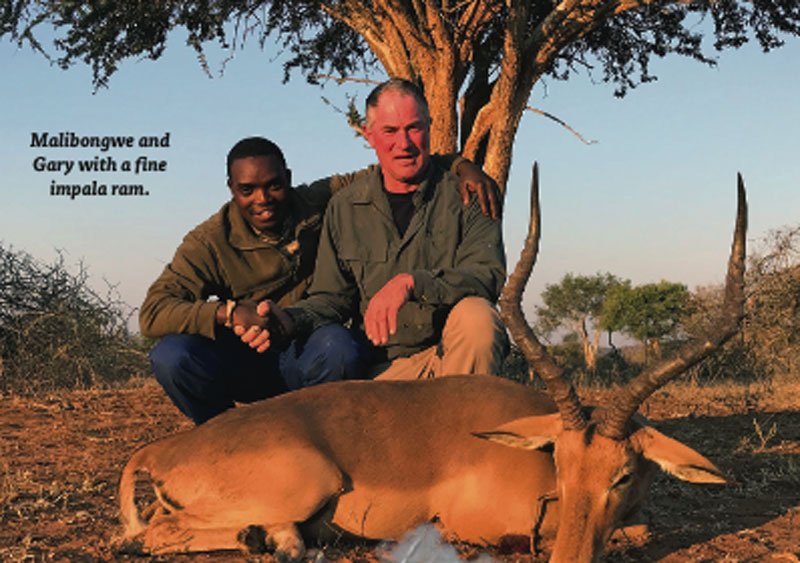
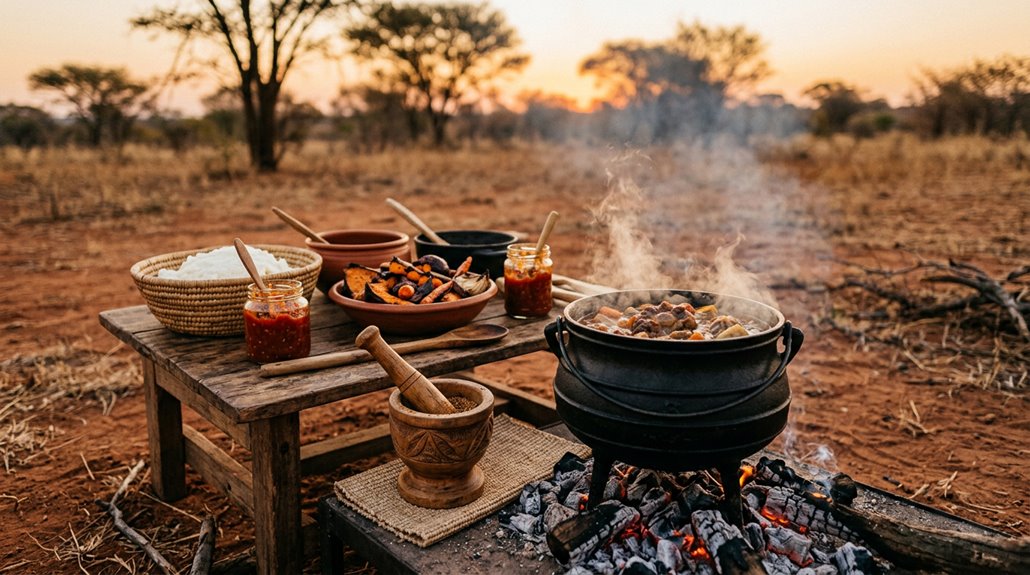
Survey four signature South African dishes that you’ll commonly encounter on a bush safari: braaivleis, potjiekos, biltong, and melktert. You’ll join others at an open fire, share grilled meats, and practise traditional South African cuisine in a communal way. Braaivleis focuses on beef, lamb, pork, chicken, or fish, served with boerewors, pap, and chakalaka. Potjiekos is a layered stew in a cast-iron potjie, cooked 4–6 hours over coals, ingredients retain distinct textures. Biltong is air-dried cured meat, thicker than jerky, often made from beef or game, high protein, portable snack. Many safari camps source their biltong directly from plains game hunting expeditions, making the flavour distinctly wild and authentic. Melktert is a milk tart with creamy filling and pastry crust, common at church fêtes and markets. These dishes reflect African bush cooking and shared hospitality. Many regional dishes also show Cape Malay influences.
How Safari Lodges Source Local Ingredients and Wild Game
Lodges now source nearby farms and licensed suppliers to keep menus local and seasonal. You’ll find local lodge ingredients sourced within 50 km whenever possible, reducing transport emissions by an estimated 30%. Chefs buy fresh produce, dairy, and proteins from certified growers and community cooperatives. Guided by a commitment to sustainability, kitchens prioritise sourcing that benefits local ecosystems and businesses supporting local farmers.
Wild game follows strict controls. You’ll be informed of permits, sustainable quotas, and veterinary inspections that meet national standards. Game may supply 10–20% of protein needs at some properties, supplemented by farmed meat and seafood. Outfitters operating across prime wildlife concessions manage harvests responsibly to ensure populations remain healthy for future seasons.
“Menus connect guests to place,” managers state. You can taste South African biltong made on-site from inspected meat. Lodges report community contracts, supplier audits, water-saving kitchens, and measurable waste reduction as part of this programme.
Eating Around the Fire: Serving Style, Communal Rituals, and Safety
Gathering around an open fire shapes both cooking and social flow on a South African bush meal, and you’ll see serving styles designed for safety, sharing, and efficiency. You join outdoor safari dining where braai and potjiekos centre the evening. Food is portioned into bite-size cuts. Shared platters and stable boards reduce spills and burns. Staff manage hot cast-iron pots that hold heat for 60–120 minutes. Before your trip begins, coordinating South Africa hunting permits and airport transfers ensures your arrival is smooth and your focus remains on the experience ahead.
Around the open fire, braai and potjiekos guide safe, shared outdoor dining—bite-sized portions, stable boards, steaming cast‑iron pots.
- Boerewors and grilled meat passed on trays, with pap and chakalaka beside them.
- Potjiekos served from a 3‑legged cast‑iron pot, steam rising, communal ladles ready.
- Beer or umqombothi in bottles, kept away from the fire line, cups passed clockwise.
“Traditional bush food follows starch+protein+relish.” You feel included, safe, and informed. The evening often centres on a glowing campfire that provides heat, aroma, and a place to gather.