Most people think a safari is about sitting in a jeep, hoping to spot something. They’re wrong. Before the sun even clears the horizon, you’re already deep in the bush, tracking lions and leopards across raw African terrain. Between the adrenaline-charged drives, there’s cold water, warm food, and unexpected stillness. It’s a rhythm that feels almost too good to be real — and yet, it’s completely ordinary here. Read on to see exactly what a typical day on a South African safari actually looks like.
A Pre-Dawn Start: Wake-Up Calls, Coffee, and Transfer to the Vehicle
Because animals are most active before sunrise, your day usually starts very early. You’ll receive a wake-up call between 04:00 and 06:00 depending on season and lodge. Staff may knock, call, or leave supplies in-room. You get 30–40 minutes to wash, dress, and gather gear.
Because wildlife peaks pre-dawn, expect a 04:00–06:00 wake-up with 30–40 minutes to ready yourself.
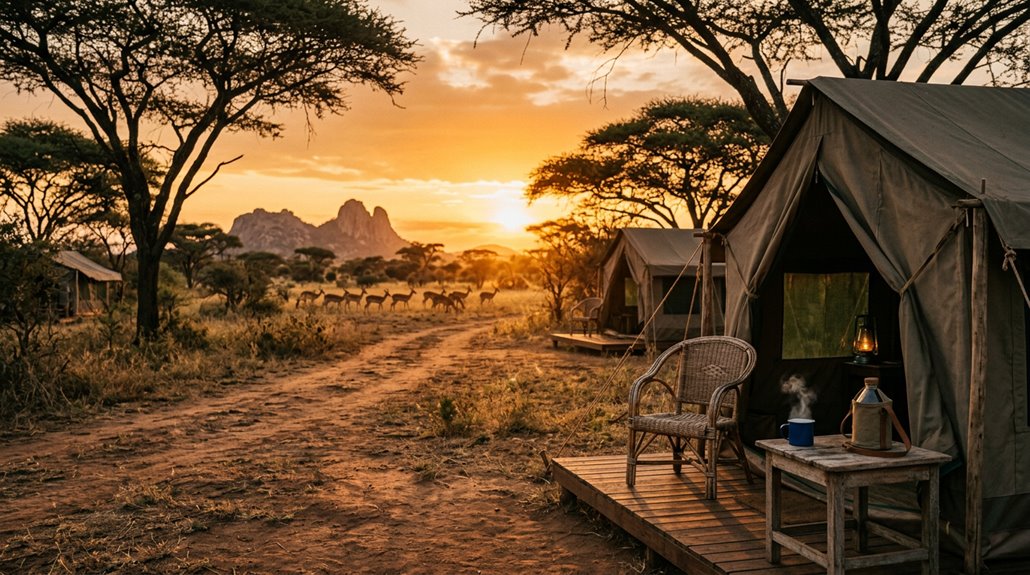
“You’ll find pre-dawn safari coffee and tea available,” the guide notes. Higher-end camps may supply cappuccino machines. Light snacks include muffins, yoghurt, granola, and fruit. Morning nibbles are commonly offered around 5:30am to tide guests over until the main food service.
Transfer to the vehicle is coordinated by staff. Walks to common areas vary by camp layout. Departures aim for first light (around 05:00 summer, 06:00 winter). Open vehicle drives allow guests to experience the crisp morning air while rangers scan the bush for early wildlife activity.
The routine supports an efficient, quiet early morning game drive and maximises wildlife activity.
The Morning Game Drive (6:00–10:30): Tracking, Bush Breakfast, and Peak Sightings
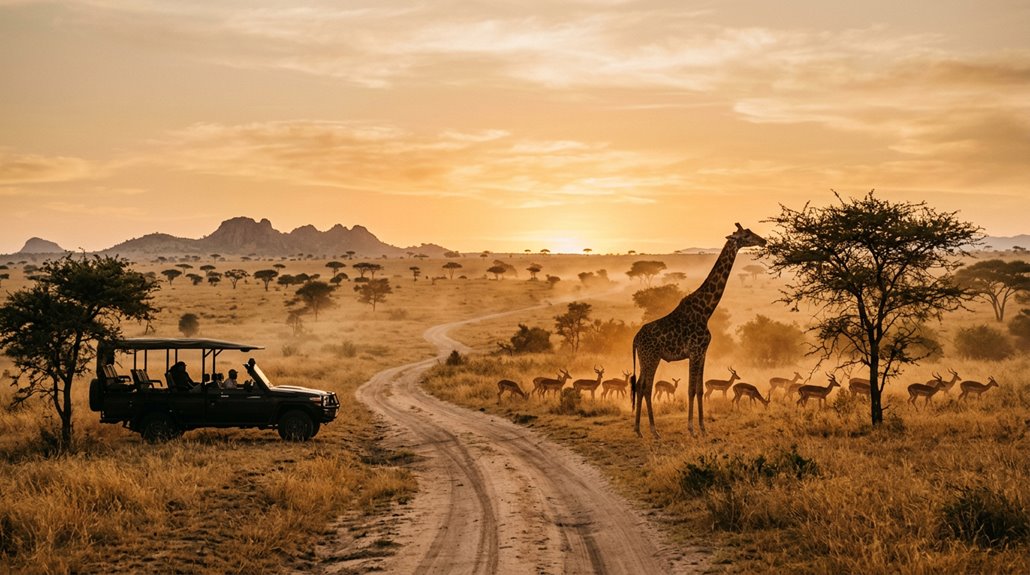
Starting before first light allows you to track animals when activity and visibility are at their highest. You join morning game drives in Kruger National Park as part of your daily safari routine. Drives last 3.0–3.5 hours. Vehicles often enter half an hour before the official gate opening, with timing varying by season. Guides read spoor and behaviour to locate predators and megafauna. You’ll watch the sunrise light improve photography and detection.
- Duration: 3–3.5 hours, departure ~05:00–05:30 depending on season
- Vehicle: open 4×4 game viewer for visibility and optics access
- Breakfast: bush breakfast at a picnic site, an efficient meal after the first circuit
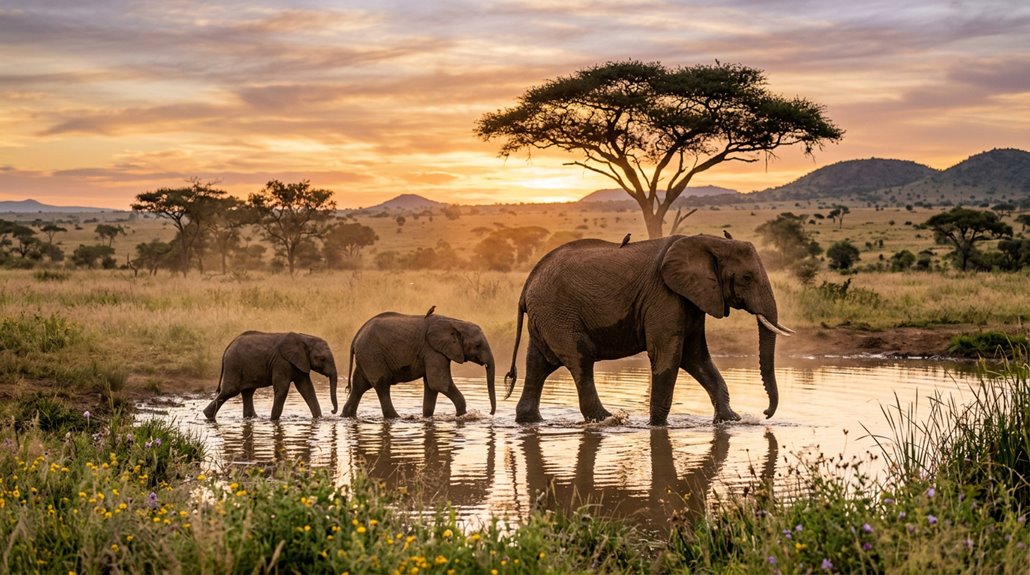
You’ll track lions, leopards, elephants, rhino, buffalo, wild dog, cheetah, and birds. Ngala Private Game Reserve, which shares an unfenced boundary with Kruger National Park, provides exclusive traversing rights across its wilderness that enhance sighting opportunities. Expert rangers craft personalised safari itineraries tailored to your interests, ensuring each morning drive maximises your chances of encountering the Big Five and other iconic wildlife.
Midday Rest and Lodge Rhythm (10:30–15:30): Brunch, Siesta, Activities, and Conservation Briefings
After the morning drive ends around 11:00 am, the lodge settles into a structured midday rhythm that prioritises rest, recovery and practical briefings.
You join a hearty brunch, sufficient to carry you to teatime, often served on a deck or in a dining room. You then follow the African safari timeline into midday bush relaxation, with a nap, pool time or a massage.
“10:30–15:30 is core downtime,” guides explain. You can read, bathe or use a private deck. Staff provide conservation briefings covering local species, reserve operations and anti-poaching measures. Private reserves maintain twice-daily drives, so this interval supports safety, guest comfort and wildlife activity patterns. Many lodges also prioritise educating guests about ecosystem balance and animal behaviour, offering talks that explain the evolution of the safari.
Some outfitters also use this quieter window to consult with guests about their specific species targets, ensuring that afternoon and following morning drives are tailored to client goals within the available concessions and terrain.
Late-Afternoon Drive to Sundowners and Evening Routine (15:30–20:00): Sightings, Sundowners, and Dinner by the Fire
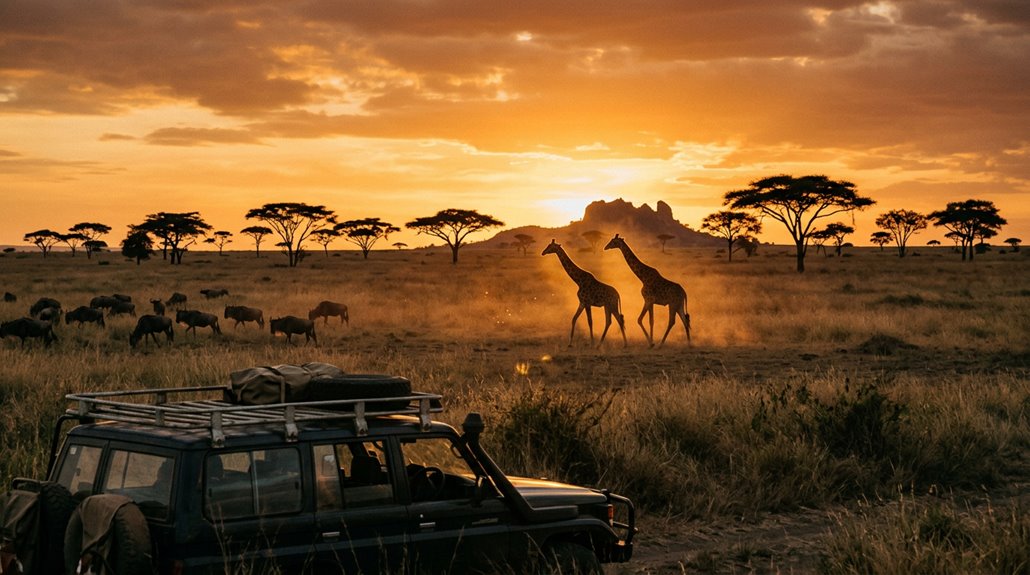
The lodge schedule moves you from midday rest into the late-afternoon drive, which runs roughly 15:30–20:00 and lasts three to four hours. You board an open Land Cruiser with a professional guide. The cooler period increases wildlife activity, improving sighting odds of the Big Five and other species. Guides position vehicles for sunset photography and interpretation. “We seek to return to camp with timely sundowners and clear sightings,” your guide explains.
The late-afternoon drive (about 15:30–20:00) aboard an open Land Cruiser offers guided wildlife viewing, sunset photography, and sundowners before dinner.
- late afternoon safari excursion features: 3–4 hour drive, open vehicle, guided interpretation
- sundowner setup: viewpoint, simple bar, drinks (gin and tonic, beer, non-alcoholic)
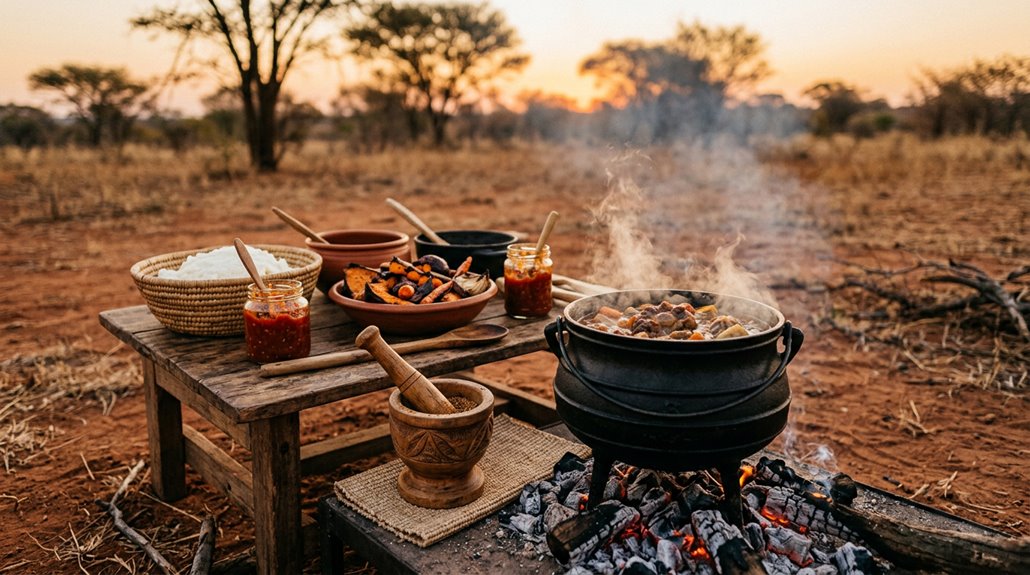
- evening flow: return to lodge, shift to safari campfire dinner by fire
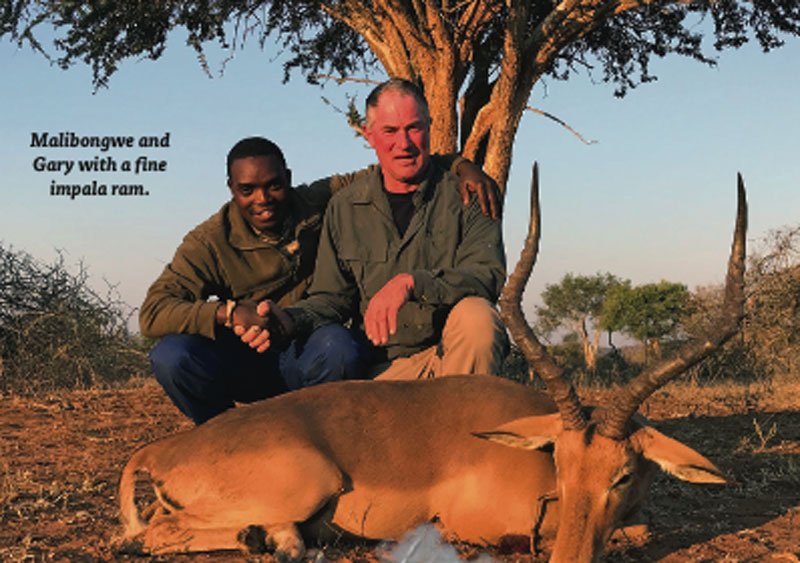
Dinner follows as light fades, around 19:30–20:00. After returning to the lodge, guests often hear and sometimes see nocturnal wildlife during a short post-drive check with spotlights spotlight-assisted nocturnal observation. For hunters on a combined safari, a dedicated team handles every step of trophy field preparation, from skinning in the bush through to final shipping, removing all logistical burden from the client.