Every year, over 1,000 rhinos disappear from the wild – and your travel choices might be making it worse. Most tourists leave South Africa believing their visit helped conservation. Few realise their money never reached a single ranger, snare removal team, or camera trap. The difference between funding real wildlife protection and funding nothing comes down to one decision made before you book. Here’s what vetted operators do differently, and why it changes everything for the species you came to see.
How South African Wildlife Fits Into Global Conservation
Key data:
- Protected areas: >12 national parks
- Global rank: #3 for biodiversity conservation
- Targets: large carnivores and megafauna
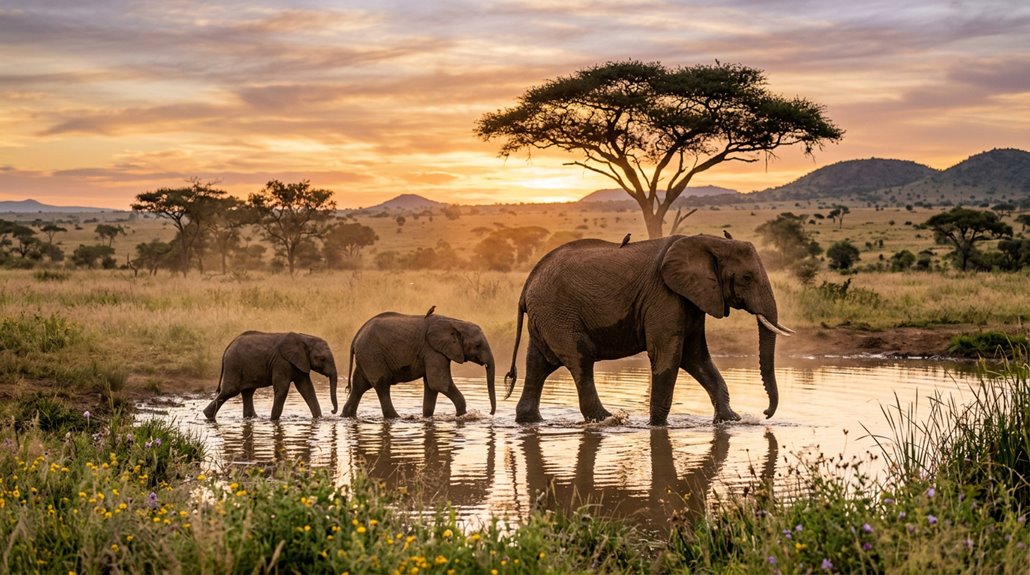
You connect with wildlife conservation South Africa and African bush conservation efforts when you travel responsibly. The country’s network includes famous reserves such as Kruger National Park, which is noted for its rhinoceroses, elephants, and buffalo. Exploring these landscapes with professional nature guides ensures that your visit contributes meaningfully to the preservation of rare species and their natural habitats.
How Responsible Safaris Turn Visitor Spending Into Protection
Responsible safaris convert visitor spending into concrete protection for wildlife and habitat. You fund park entry fees and service charges that directly pay for anti-poaching patrols, rangers, and fence and road maintenance. This creates steady, local conservation revenue and reduces reliance on extractive land uses.
Responsibly booked safaris turn visitor fees into patrols, rangers, and habitat protection, keeping wildlife and communities thriving
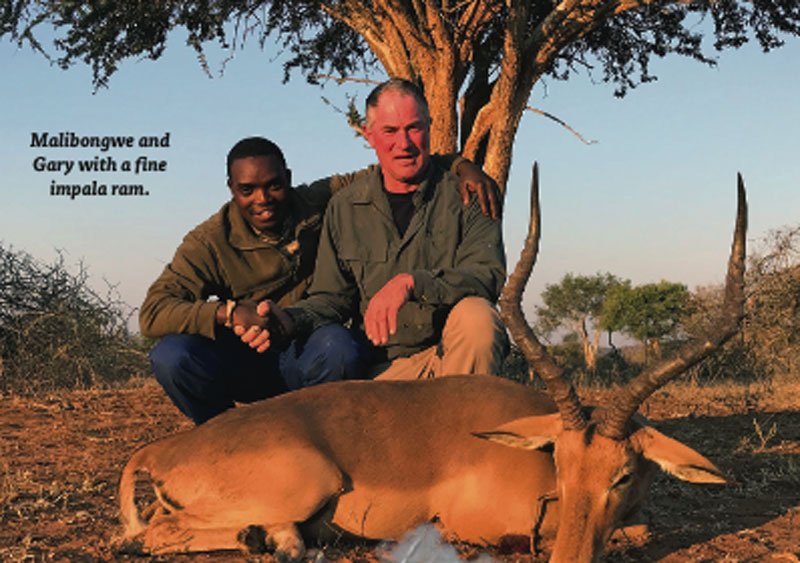
“You keep wildlife prized alive,” meaning communities and landowners choose conservation over clearing. Community lodges and local guides channel payments into household income and land leases that preserve corridors. Outfitters operating within regulated frameworks, such as those offering plains game hunting, must adhere to strict permit systems that contribute to sustainable wildlife management.
Key data:
- Kenya non-resident park fee: $100/day (Jan–Jun), $200/day (Jul–Dec).
- Kenya Wildlife Service: $80/adult, $40/child (2026).
- Anti-poaching funding and humanitarian poaching funding programmes gain from retained fees.
Responsible safaris conservation is a measurable, effective model. Many conservancies also reinvest tourism revenue to pay community lease payments that protect habitat and fund rangers lease payments.
What On‑The‑Ground Conservation Actions Tourism Funds
| Action funded | Example impact |
|---|---|
| Ranger salaries & patrols | Sustains daily enforcement, reduces poaching incidents |
| Habitat restoration South Africa | Restores degraded areas, improves biodiversity |
| Species recovery funds | Rhino Bond: ZAR 152 million over five years |
| Community programmes | Jobs, conflict reduction, local stewardship |
You join a conservation system that pays for monitoring, education, and flexible management, a practical way to protect wildlife. Tourism also helps finance protected areas and on-the-ground work by generating significant revenues from visitor spending and permits, supporting park management and enforcement. Responsible hunting operations, including plains game hunting across prime concessions, contribute directly to conservation funding through licensing fees and outfitter partnerships that support habitat preservation.
How to Choose Tours That Maximise Conservation Impact
When you pick a conservation-focused tour, look for operators who tie your fee directly to measurable field work and vetted partners. You’ll want named projects (camera trapping, snare patrols, radio collaring) and listed partners (reserves, NGOs, anti-poaching teams). Prefer expert-led trips with rangers or scientists guiding activities and briefings. Choose small groups (1–5 guests improves data quality) and stays of 7–14+ days for continuity. Many reputable programmes also offer hands-on opportunities like camera trap surveys and rhino monitoring to contribute to long-term research camera trapping. “Ethical hunting tourism” must state legal permits, quota systems, and post-harvest conservation funding. Check that “regulated safaris conservation” claims name reserves, species, and monitoring methods. Verify third-party accreditation and published impact data (numbers of snares removed, collars fitted, or hectares managed). Opt for operators who report annually. Responsible operators also assist with South Africa hunting permits and firearm import documentation to ensure full legal compliance from the moment you arrive.