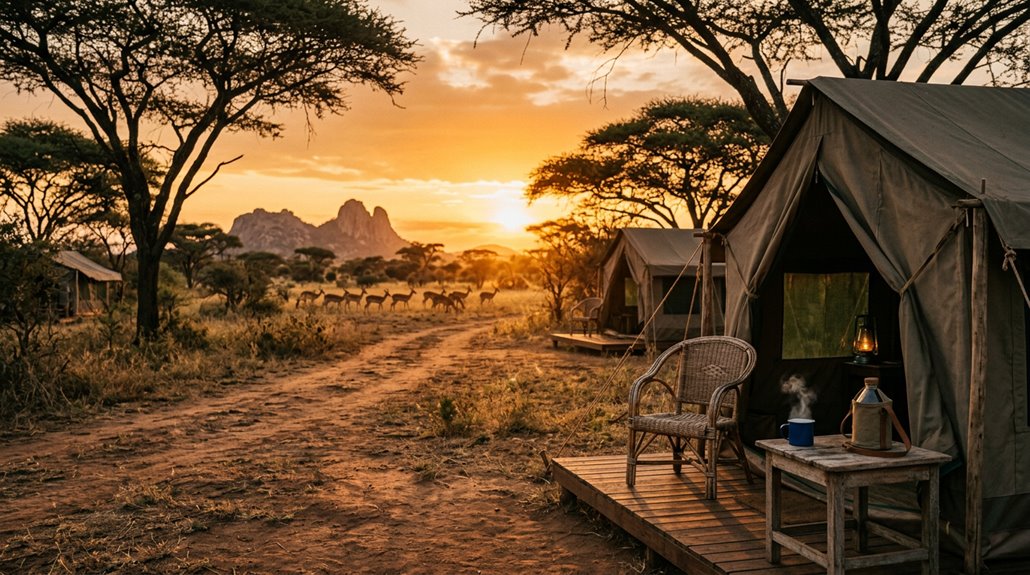
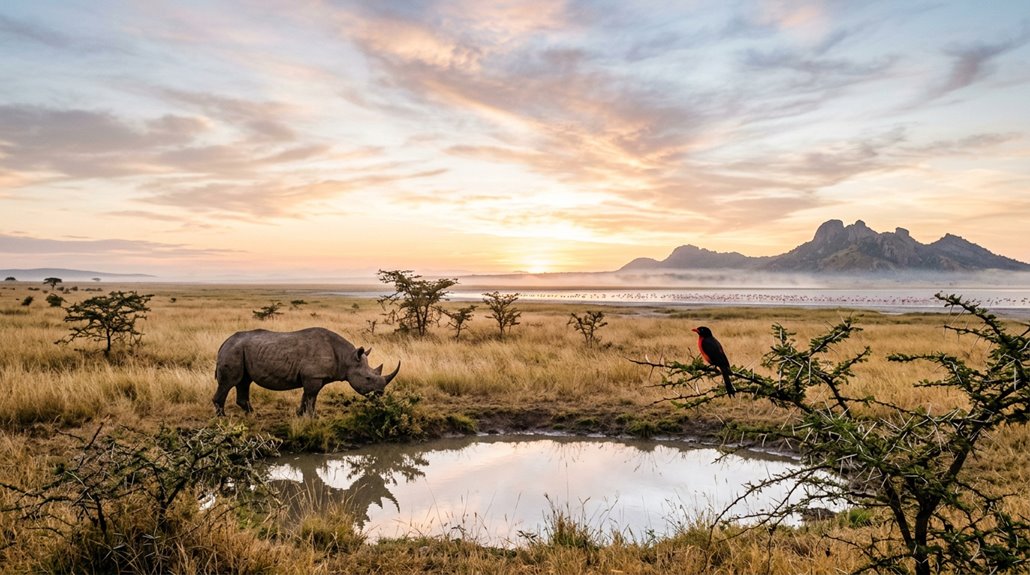
Most wildlife enthusiasts visit South Africa at the wrong time of year — and never even realise it. The difference between a forgettable game drive and witnessing something truly extraordinary often comes down to a single month. From animals clustering at waterholes during dry winters to sea turtles emerging under cover of darkness, South Africa’s rarest wildlife moments follow patterns that most travellers overlook. Timing your trip correctly changes everything.
Primary Search Intent and Format: Who’s Looking for Rare Wildlife and What This Guide Delivers
Who’s looking for rare wildlife, and what will this guide give you? You are a safari planner, birder, photographer, or coastal visitor seeking precise timing. This guide provides clear, actionable trip windows and regional cues. It focuses on the best time for wildlife viewing in South Africa and seasonal bush realities.
Who’s planning rare-wildlife trips? This guide offers precise trip windows, regional cues and seasonal timing for South Africa.
Who benefits most:
- Safari-goers targeting elusive mammals.
- Birdwatchers tracking migrants (October–March peak movements).
- Photographers needing visibility and light.
- Marine visitors timing whales and turtles.
What the format delivers:
- Practical timing, not species lists.
- Regional notes: inland versus coastal calendars.
- Shoulder-month recommendations (April–May, September–October).
- Dawn/dusk viewing emphasis.
Quoted aim: “Convert seasonal patterns into trip plans.” You will get data, clear steps, and confident timing. Professional guides specialising in private Kruger excursions tailor drives specifically to maximise your chances of spotting rare and elusive wildlife at the right time of year. Note that South Africa has diverse landscapes, from coastal mountains to semi-desert plateaus, which affect seasonal wildlife movements.
Best Dry-Season Windows (May–September) for Spotting Rare Mammals and Big Five
Generally, May–September is the core dry-season window for spotting rare mammals and the Big Five, with June–August the peak winter months.
You’ll see lower rainfall, reduced standing water, and thinner vegetation. Animals concentrate at rivers, pans, dams, and waterholes. Visibility improves for solitary carnivores, leopards, cheetahs, and elusive species.
You should plan a dry season safari for longer game drives and higher detection rates. Kruger National Park tours perform best then, with prey-predator interactions near remaining water sources. Expect increased sightings of lions and hunting behaviour. Expert guides craft personalised safari itineraries to maximise wildlife encounters during this peak viewing period.
Data snapshot:
- Period: May–September (peak June–August)
- Advantage: sparse cover, concentrated water
- Outcome: higher photographic success, improved Big Five tracking
The dry season also coincides with better birding in some reserves.
What the Wet Summer (November–March) Offers: Birds, Newborns and Lush Wildlife Activity
After the dry-season focus on concentrated game around water, the wet summer (November–March) opens a different set of wildlife opportunities. You’ll find lush, green terrains and dense vegetation across northern and northeast regions. Temperatures can reach around 40°C in some inland areas. Rainfall increases insect and reptile activity. “This is the best season for migratory birds South Africa,” specialists note, with higher species diversity and active breeding. You’ll see peak calving and many newborn animals safari visitors seek. Mothers and young have better forage and condition. Predator-prey interactions rise as newborns attract predators. Viewing requires patience, local knowledge, and flexible itineraries. Ideal for birdwatching, photography, and observing natural behaviour rather than guaranteed large-game concentration. For those seeking a more structured pursuit of wildlife, plains game hunting in South Africa during this season offers unique opportunities across prime concessions with abundant activity. The season also follows the region’s wet season timing, with most areas receiving their main rains between October and March.
Shoulder-Season Sweet Spots (April–May, September–October) for Balanced Sightings and Comfort
Shoulder months like April–May and September–October offer a clear advantage for reliable sightings and comfortable conditions. You’ll find cooler temperatures in April–May, which improve comfort on drives and reduce heat stress for guides and guests. Vegetation thins, improving line of sight by an estimated 20–40% compared with peak summer. Wildlife concentrates near water, raising encounter probability per drive. Kruger National Park is especially productive from May onwards, making these months a smart choice for safari bookings. You’ll also see September–October balance: pleasant spring temperatures, continued waterhole activity, and lower rainfall through September. Game viewing seasons favour Kruger and Greater Kruger from May onwards, and northern reserves peak August–September. Expect fewer crowds, more predictable animal locations, and morning/late-afternoon drives that maximise sightings. Visitors travelling with firearms should arrange South Africa hunting permits well in advance to avoid entry delays and ensure a smooth arrival at the start of their safari. Operators like Deon Burger Safaris manage logistics, so you can be delighted with a great result.
How to Match Expectations to Season: Tips on Timing, Locations, and Tour Choices
To match your expectations to the season, start by selecting dates that suit the species you most want to see. Decide between the dry winter (May–September) for big mammals and concentrated sightings, or the summer months (October–March) for birdwatching and coastal life. Pick locations to match your goals: Kruger, Sabi Sands, Greater Kruger for winter game; KwaZulu-Natal for turtles (late Nov–Dec) and whales (June–Nov); Cape Town for Oct–Mar travel. Private reserves such as Sabi Sands often offer closer encounters and higher sighting chances. Choose a tour style aligned with species and access. Game drives cover more ground; walking safaris aid tracking; private reserves allow closer approaches. Small-group specialist tours target whales, turtles, nocturnal species. Expect higher odds in dry months; green-season visibility drops. Once your safari concludes, a dedicated team can manage trophy field preparation and all taxidermy logistics, handling everything from skinning in the bush to final shipping at your front door. Book early for peak months (Aug–Sep).