Most people picture a leisurely African safari — late mornings, scenic sunsets, and sipping cocktails in a camp chair. The reality? You’re awake before dawn, bumping across untamed terrain in an open 4×4 by 05:30, surviving on coffee and adrenaline. Wilderness camp life operates on rules most travel blogs quietly skip over. From strict night protocols to the surprising comforts hiding inside canvas tents, there’s far more structure — and far more wildness — than the glossy brochures ever reveal.
A Day in Camp: Typical Safari Rhythm From 5:30 A.M. to Night
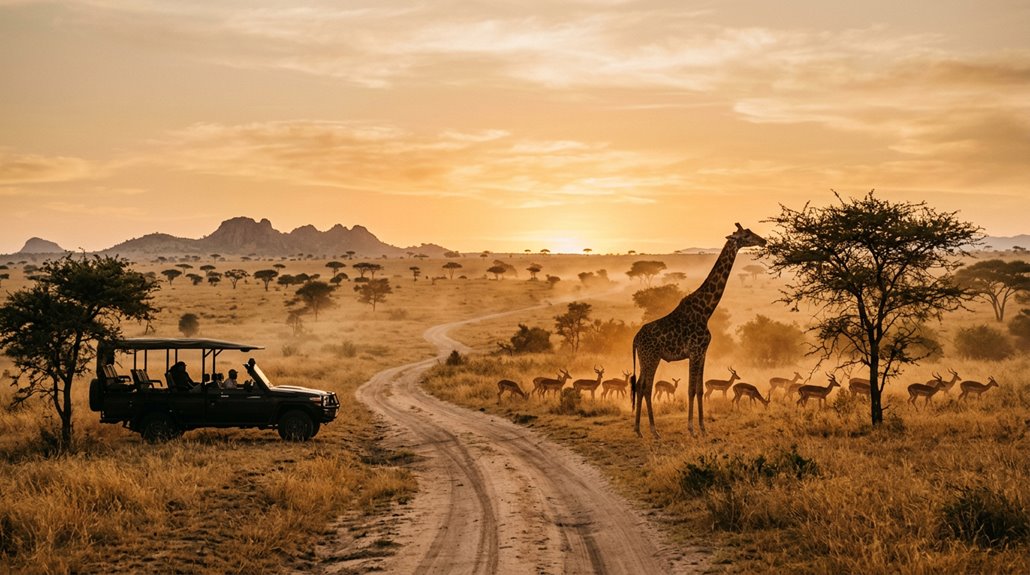
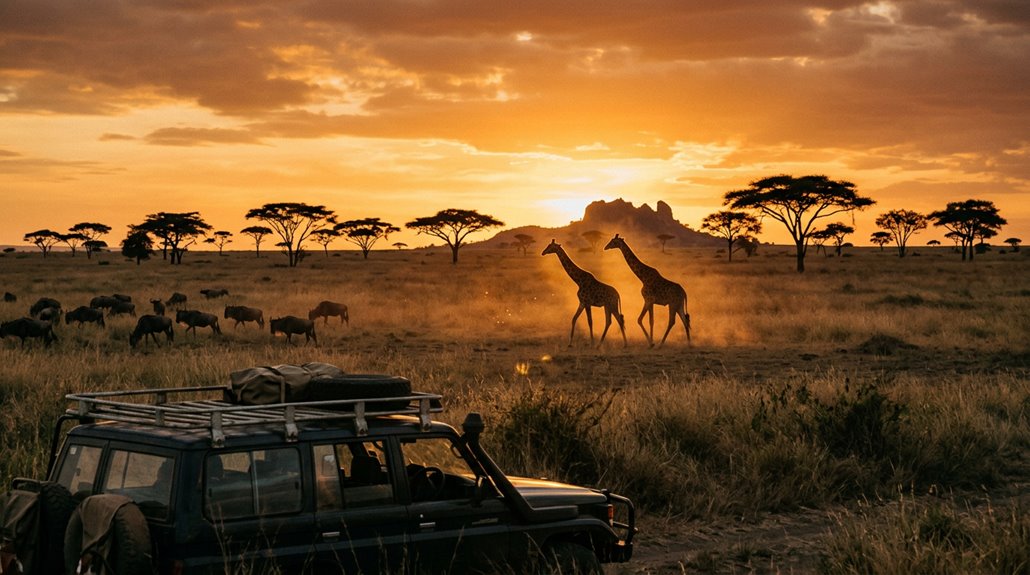
Usually, your day in camp starts just before sunrise, with a wake-up call around 5:30 a.m. You’ll hear a brief briefing, then tea or coffee delivered to tents or a common area. Morning prep lasts 30–40 minutes, and you’ll dress for a drive that departs between 5:30 a.m. and 6:30 a.m. Early departures are common so guides can take advantage of prime predator activity.
Wake before sunrise for a brief briefing, tea delivery, and quick morning prep before the early game drive
Morning drives last 3–5 hours. You’ll see increased animal activity in cooler temperatures. A bush breakfast may occur during longer outings. Return to camp by 9:00–11:00 a.m. for a hot breakfast.
Midday offers rest, optional bush walks, or spa time. Lunch occurs 1:00–3:00 p.m. Many operators use this quieter period to brief guests on Big Five photography techniques, helping you prepare to capture stunning images during the afternoon drive.
Afternoon drives start 4:00–4:30 p.m., last about three hours, include a sundowner, and end with dinner around 7:00 p.m. This is core wilderness camp life, an unplugged safari experience.
Sleeping in the Bush: Luxury Canvas Tents, Thatched Chalets, and Amenities
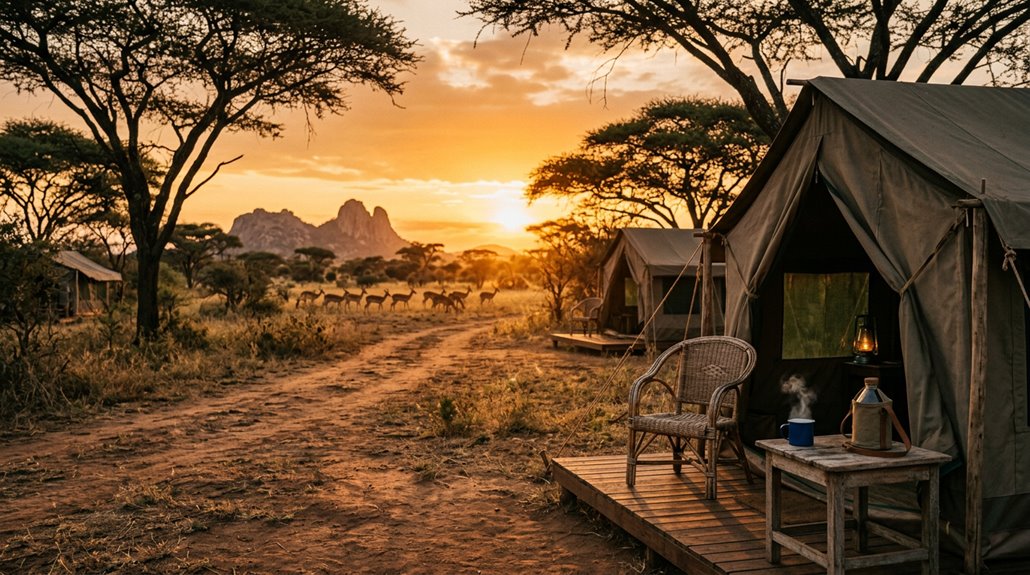
Sleeping in the bush combines practical engineering with hospitality. You’ll choose between luxury canvas tents safari and thatched safari chalets, both designed for comfort and safety. Tents use heavy-duty canvas over a frame. Chalets use permanent walls and thatch roofs for insulation. You’ll find ensuite bathrooms, proper beds, and solar power systems (1–5 kW arrays typical). Staff manage fencing, escorts, and low-density layouts to preserve privacy. Many camps emphasise panoramic windows to connect guests with the surrounding landscape. Camps also coordinate with specialist teams who handle South Africa hunting permits and airport transfers to ensure guests arrive without delays or documentation issues.
| Feature | Typical Spec |
|---|---|
| Structure | Canvas tent or thatched chalet |
| Power | Solar 1–5 kW / battery backup |
| Bathing | Ensuite shower, flush toilet |
| Climate | Thatch moderates temp, tents ventilate |
| Privacy | Detached units, 10–30 m spacing |
“You’ll feel part of camp,” management states. Staff deliver reliable, regulated service.
Meals, Communal Spaces, and the Boma: Food, Fires, and Evening Rituals
Meals on safari follow the camp’s rhythm, not city mealtimes. You’ll start with coffee or tea and biscuits before morning activities. Brunch arrives after the drive, often within 2–3 hours of waking up. High tea appears mid-afternoon, then a sundowner 30–60 minutes before dusk.
You dine in communal spaces, under canvas, thatch, or stars. Tables are set for conversation with guides and 4–12 guests. Many African safari accommodations offer buffet or made-to-order options. Dinner is a three-course meal, served by lantern or around a fire. A2A Safaris arranges tailor-made journeys to such remote wilderness camps. Expert guides craft highly personalised itineraries to ensure each guest’s experience matches their interests and pace.
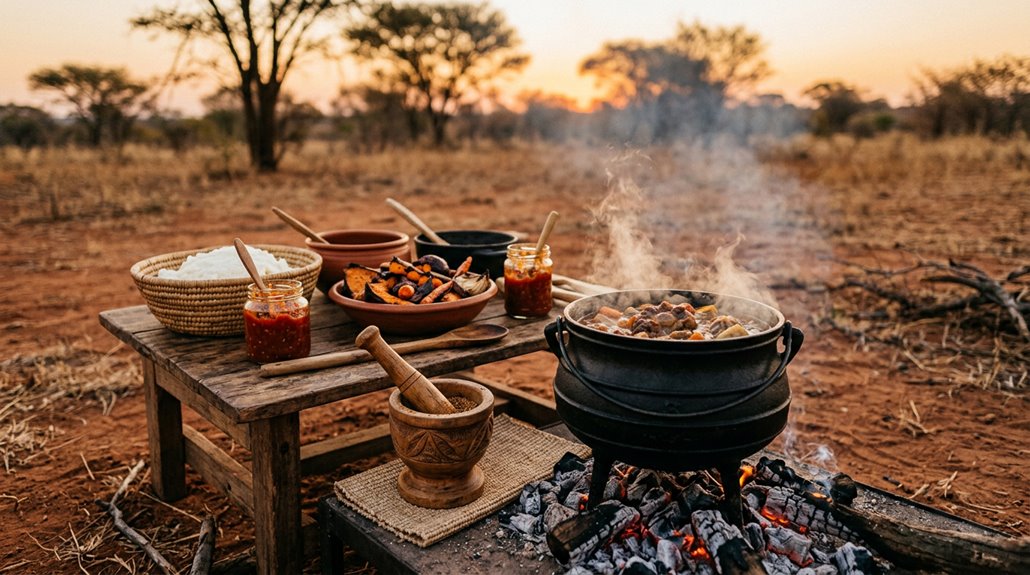
Expect an African boma gathering for special evenings. The boma seats 8–20 people, centres on a roaring campfire, and features regional dishes. You’ll be delighted by homemade bread, grilled meats, and local produce.
Wildlife, Safety, and Digital Disconnect: Night Sounds, Rules, and Unplugging
When night falls on camp you’ll hear a layered soundscape that’s both normal and informative. You’ll recognise lions, hippos, elephants, jackals, cicadas, and frogs. These sounds often signal territory, mating, or movement, not immediate danger.
In a typical safari camp with rustic wilderness charm you’ll learn rules that keep everyone safe.
- Don’t leave tents after dark; staff escort required.
- Keep zips and screens secured; small animals and insects enter easily.
- Limit bright lights; use headlamps only when permitted.
- Expect limited mobile signal and scheduled power; plan charging windows.
“Treat night calls seriously but calmly,” staff advise. You’ll be delighted by clear protocols. Bring offline maps, spare batteries, and patience. A dedicated team handles everything from field trophy preparation to final shipping, so hunters can focus entirely on the experience rather than logistics. You may even hear an elephant trumpet from a distance, part of their low-frequency communication.