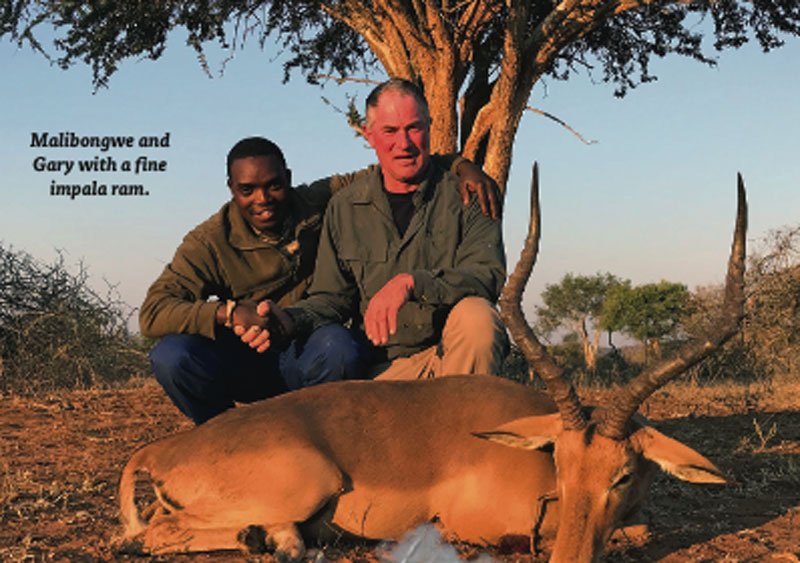
Most hunters ruin their trophies before they ever reach a taxidermist – and they don’t even know it. The difference between a museum-quality mount and a deteriorating hide comes down to decisions made in the field within the first six hours. From cooling techniques to precise salting ratios, the steps you take on safari determine everything that follows. If you’ve invested in an exceptional hunt, your trophy deserves equally exceptional care.
Field Care First Steps: Cool, Dry, and Document the Trophy
Start by getting the trophy out of direct sunlight immediately and into the shade. You’ll slow heat build-up and reduce the risk of spoilage. Place the animal in a cool, ventilated spot for up to one hour to let residual heat evaporate. Don’t stack heavy gear on the hide.
Move trophies into the shade immediately, cool in a ventilated spot for up to an hour, and avoid stacking gear on hides
“Remove meat and fat promptly.” Use fine salt if you can’t freeze. Table salt isn’t recommended. If freezing is available, freeze immediately with the hair side out and the head on the outside of the fold.
“Wash blood from hides and feathers.” Rinse with water to limit staining. For birds, don’t gut; keep the plumage intact. Professional field preparation services ensure skins and horns are maintained at the highest quality from the first moment in the bush.
- Preserve: preserving safari memories
- Freeze recommendation: immediate when possible
- Salt type: fine salt only
Decide on a taxidermist before the hunt for the best results. Proper planning reduces risks like hair slip and damaged ears planning matters.
Capping and Packing for Long Trips: Cuts, Photos, and Protecting the Cape
When you remove a cape, do it precisely; the shoulder and brisket edge determine how much mountable material remains. You should have an experienced guide or taxidermist make dorsal and limb openings, avoiding mane and facial hair. Cuts stay on low-visibility lines to hide seams.
“Photograph the cape before packing.” Take full-skin, hair-side, neck, shoulder, face, and damaged-area close-ups. Use good light. Record any gouges, hair slips, or stretch.
Salting and drying slow decay. Apply 5–10 kg salt evenly for a full Cape buffalo hide (approx. 2.5–3.0 m length). Drain 24–48 hours before repacking.
Pack cool, dry, and supported. Protect face, ears, and lips with padding. Wrap horns separately. Label boxes: “caping and packing trophies.” Ensure you choose a sturdy, well-organised travel kit with separate compartments and packing aids to avoid moisture and crushing during transit packing cubes. Coordinating your trophy shipment alongside your South Africa hunting permits ensures all documentation aligns correctly before your trophies leave the country.
Why Choose a South African Taxidermist: Local Expertise, Anatomy, and Habitat Realism
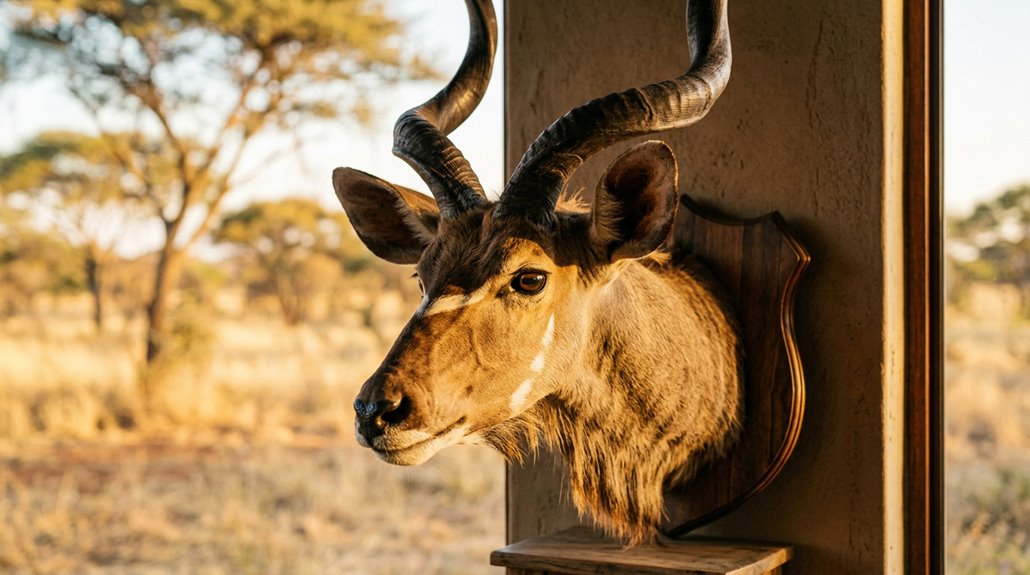
After careful caping and packing, choosing the right taxidermist determines how accurately a trophy will reflect the animal’s life. You’ll prefer choosing a taxidermist in South Africa for species proficiency, anatomical accuracy, and habitat realism. Local taxidermists match measurements to native species. They show past work and an 8–10 month turnaround for full orders. They use certified techniques and trained staff. Splitting Image Taxidermy, for example, demonstrates decades of staff training and industry affiliations.
| Skill | Benefit | Example |
|---|---|---|
| Species proficiency | True proportions | Horn shape matched |
| Anatomy | Correct muscle placement | Eye and ear set |
| Habitat realism | Authentic base design | Native bushveld rockwork |
“You’ll get detailed mounts, professional licensing, and documented quality control.” A reputable taxidermist will also manage the complicated trophy shipping paperwork required to ensure your mount arrives safely at home. Choose with references and industry membership checks.
When to Dip-and-Pack and Ship to a Local Taxidermist Back Home
If you plan to finish your trophies at home, dip-and-pack is the correct field method and it must be scheduled before export paperwork begins. You’ll choose dip and pack trophies when a trusted local taxidermist will do final mounting. The process cleans skins, boils and dips skulls, salts hides, dries, and packs for shipment. Expect field prep time of 2–4 weeks and dip-and-pack processing of 4–6 weeks. Professional handling ensures meticulous care from harvest through shipping. “Prepare shipping tags with owner name, destination studio, email, phone, and customs broker.” Airfreight is common for unfinished trophies; sea freight suits mounted pieces. Allow 6–12 weeks for export permits and 6–10 weeks for international shipping and customs clearance. Working with experienced South African hunting outfitters ensures your trophy paperwork and export logistics are handled correctly from the moment your hunt concludes. Coordinate timing with your taxidermist before you depart.
Comparing Costs, Timelines, and Risks: South African Studio vs. Dip-and-Pack
Comparing full taxidermy done in South Africa with dip-and-pack plus finishing at home comes down to three clear factors: cost, time, and process risk.
You’ll pay about 30% less for work by South African taxidermists. Example: ten mounted animals in South Africa run roughly $13,000–$14,000 versus $18,000–$20,000 for dip-and-pack plus UK handling. Shipping adds roughly $1,700–$2,000. Direct savings: ~$2,200 by avoiding dip-and-pack.
Timelines differ. South African studios advertise 8–10 months finish time. Many hunters coordinate their trophy submissions alongside Kruger National Park tours to make the most of their time in the region.
Dip-and-pack can take up to 4 months before export, then additional time for local mounting.
Risks focus on process complexity. Multiple handovers raise chances of customs delays, freight issues, and communication gaps.
Quality reports show comparable workmanship; the main risk is logistics, not craft. Choose by priorities: cost, speed, or keeping raw trophies.
Choosing and Communicating With Your Taxidermist: Questions, Timelines, and Written Specs
Choosing the right taxidermist starts with clear criteria and direct questions, because the shop you pick determines cost, timing, and the final look. You should vet portfolios, certification, and species experience. Ask where training took place and whether tanning is done in-house. Request current turnaround time; typical studio times range from 6 to 18 months. Get references and inspect finished mounts when possible.
- Ask which species and mount styles are specialties and how many similar mounts exist.
- Request a written work order listing mount type, pose, measurements, deposit (commonly 30%), balance, and payment terms.
- Confirm who handles your specimen and whether rush service is available (expect a +20–50% fee).
- Require progress photos and final inspection before final payment.
Choose safari taxidermy services that communicate promptly and provide clear specifications.