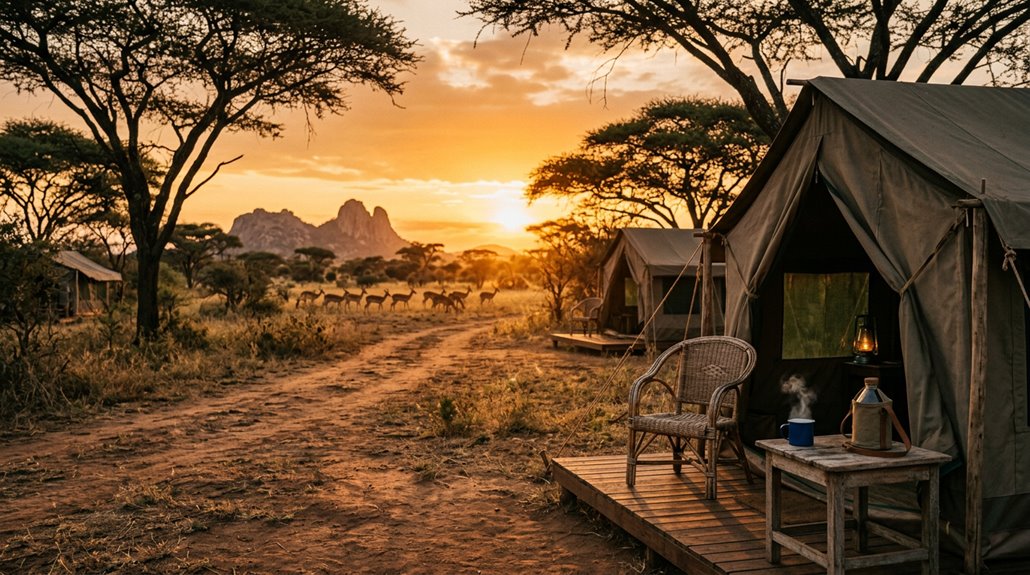
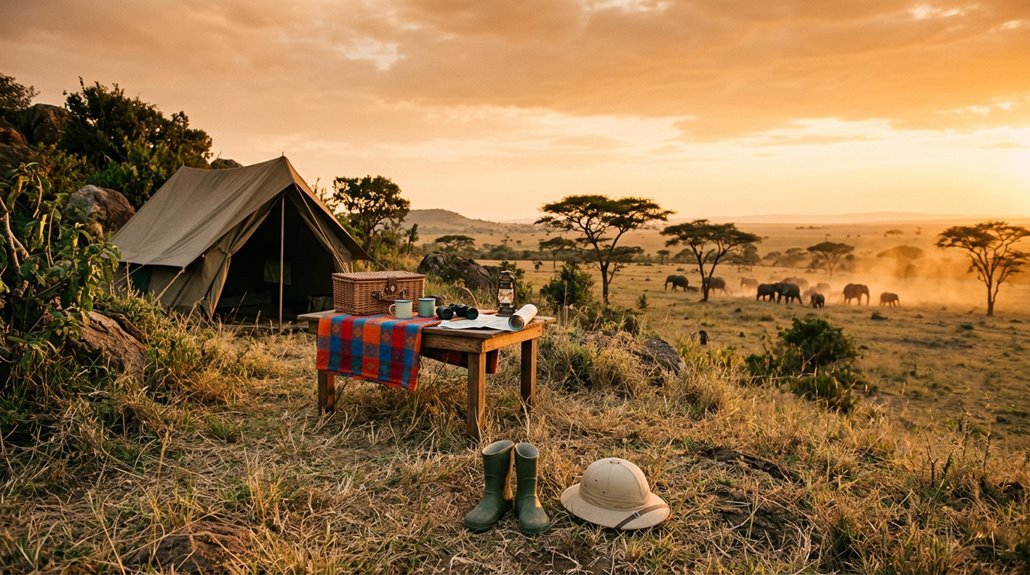
Most parents think the African bush is no place for young children. They’re wrong — but only if you know exactly what to ask for before you book. From malaria-free reserves to private villas with fenced pools, family-tailored game drives, and junior ranger sessions that genuinely captivate children, a bush holiday can be both wildly immersive and reassuringly safe. The real challenge? Knowing which trade-offs are worth making for your family specifically.
Choose a Kid-Safe Destination and Lodge With Pools and Child-Friendly Dining
Choose a malaria-free reserve when you travel with children. You’ll reduce health risk and simplify pre-trip planning, a clear advantage for family safari South Africa bookings. Madikwe and Welgevonden are malaria-free, broadening safe options for children’s safari accommodation. Sabi Sand is family-friendly; confirm malaria status separately.
“Lodges often provide two-bedroom villas, interconnecting rooms, or exclusive-use homes.” These layouts increase supervision and control. Morukuru Family offers sole-use lodges with private ranger, tracker, nanny option, and dedicated vehicle. Consider booking private Kruger excursions with professional guides who tailor drives specifically to suit families travelling with young children.
“Pools and dining require checks.” Look for kids’ pools, private plunge pools, and lifeguard policies. Madikwe Safari Lodge has family suites with bunk beds. Sabi Sabi Bush Lodge offers a special kids’ corner and child-friendly menus. Choose properties that welcome children of all ages when possible. Morukuru Family also provides butler and personal chef services for added convenience.
Match Itinerary Length and Drive Schedules to Your Children’s Ages
When you travel with children, match the length of drives and overall itinerary to their ages and stamina. You’ll plan around lodge rules, energy levels, and safety.
Infants (0–2) need very short drives, private vehicles, and flexible stops. Preschoolers (3–5) do best with short game drives, snack breaks, and playtime.
- Infants & toddlers: private vehicle, drives under 30 minutes, babysitting available.
- Ages 3–5: short kid-friendly game drives, avoid full-day transfers, choose shorter itineraries.
- Ages 6–12+: many lodges allow participation (minimum often 6 years), longer drives of 2–4 hours possible, balance rest.
Consider Kruger National Park family options and request children’s drives or customised schedules for a great result. For families seeking a more structured experience, South African hunting outfitters can design custom packages across diverse terrain that accommodate different group needs and schedules. Combining a family safari with activities like Table Mountain hikes can enrich the experience.
Pick Family Rooms, Fencing and Facilities That Make Downtime Easy
After you match drive lengths and daily plans to your children’s ages, pick accommodation and property features that make downtime safe and simple. Choose family suites, two-bedroom villas, or interconnecting rooms to preserve adult space while keeping kids nearby. Exclusive-use villas offer private staff, private chefs, and sometimes a private ranger for greater flexibility. Book early; family room types are limited and often prioritised by multi-generational groups. Select fenced camps or non-malarial parks to reduce unplanned wildlife movement and simplify health planning. Confirm age rules for game drives before booking. Look for plunge pools, dedicated kids’ pools, babysitting, WiFi, and in-house catering. “Child friendly safari meals” and private dining decrease mealtime stress. These choices support a focused, safe family African holiday. If you plan to bring firearms into South Africa for a hunting component of your trip, coordinate South Africa hunting permits and airport meet services well in advance to avoid delays upon arrival. Private staff often learn names and preferences, creating a more personalised experience for every family member private staff.
Build Learning Activities: Conservation, Tracking and Bush-Based Play
Integrating learning activities into a family safari gives children hands-on experience with conservation, tracking, and ecological play.
Integrating learning activities into family safaris gives children hands-on conservation, tracking, and ecological play experiences.
You’ll join educational wildlife tours that explain behaviour, habitat needs, and predator-prey links.
Guides deliver junior ranger-style lessons on survival skills and tracking, customised for ages 9–15.
“Children learn best with repeat exposure,” supports AWF data showing nearly 25% of the global population is 10–24.
- Guided game drives: real-time interpretation of spoor, dung, and disturbed vegetation.
- Walking safaris: teach footprint ID, observation drills, and ecosystem connections.
- Bush play: scavenger hunts, bird and insect counts, school-linked projects.
You’ll see community programmes that reinforce school curricula.
Families feel included in conservation.
Outcomes: improved observation, stewardship, and lasting curiosity. Expert outfitters also manage the full trophy handling process, ensuring that any game taken during a hunting safari is professionally prepared, shipped, and delivered without burdening families with logistics.
The Junior Ranger programme also offers dedicated bush walks for younger guests, providing practical tracking and conservation lessons during family stays Junior Ranger programme.