Most hunters book an African safari and still come home empty-handed—not due to bad luck, but poor planning. Defining your target species, understanding realistic shooting distances, and vetting licensed outfitters with private concessions can mean the difference between a trophy room and a cautionary tale. The physical demands alone surprise even seasoned hunters. Before you commit to anything, there are critical decisions that will shape your entire experience.
Decide Your Hunting Goals and Choose the Right Outfitter
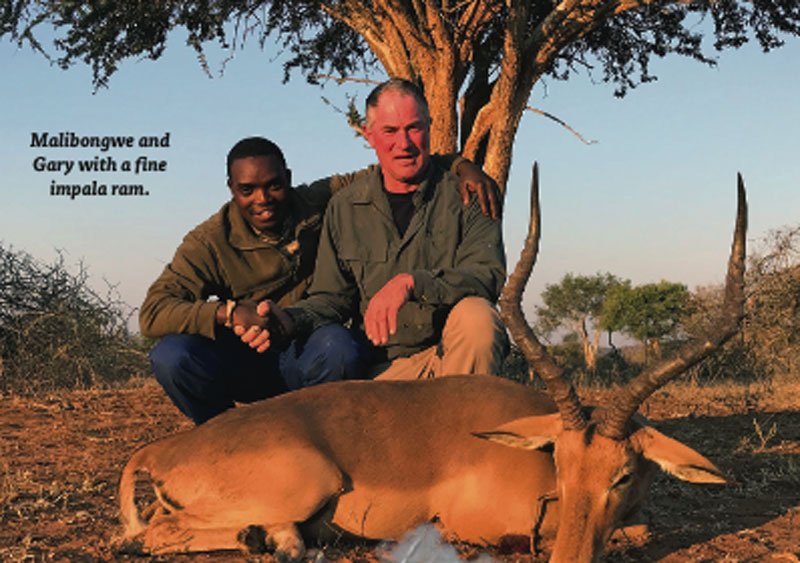
Before you book, decide exactly what you want to hunt and list priorities in writing. You’ll create a written wish list that separates must-have trophies from secondary species. Start with plains game for a first trip, noting species like kudu, impala, and blesbok. Add dangerous game only if experience, budget, and licensing match.
“Match hunt to country and habitat,” you’ll check where each species lives, in grasslands, bushveld, or concession areas. South Africa often fits plains-game goals and bowhunting. Consider South Africa as a top option because it is the leading destination for hunting in Africa with excellent infrastructure and well-regulated practices leading destination.
“Verify outfitter credentials,” you’ll confirm licences, permits, and land status. Ask for PH licences and area tenders. Professional outfitters operating across prime concessions ensure access to abundant wildlife and diverse terrain suited to your specific hunting goals.
Bulleted data:
- Typical daily rate plus trophy fees
- Species list includes 10–12 common plains species
- Private concessions preferred
Consider a reputable South African hunting outfitter when planning African safari.
Get Physically Ready: Fitness, Stamina, and Terrain Practice
Getting physically ready will make your safari safer and more enjoyable, so start training 3 to 6 months before departure. You’ll need moderate fitness for most vehicle-based days, more for walking safaris. Begin with 30 minutes of aerobic activity, 3–4 times weekly.
“Focus on leg strength and core stability.” Do lunges, squats, step-ups, planks, and back extensions twice weekly. Practise on hills, dirt paths, and gravel to mirror terrain. During training, include occasional long hikes with a loaded rucksack to build endurance and simulate safari conditions terrain variations.
Key targets:
- Cardiovascular: 30 minutes, 3–4×/week.
- Strength: 2 sessions/week, legs and core focus.
- Terrain: several long hikes on uneven ground.
- Flexibility: yoga or mobility work 2×/week.
Hydrate, balance carbs/protein/fat, and pack hiking shoes. This safari fitness preparation supports a safe South African hunting safari and a great result. Working with professional nature guides who customise itineraries to your fitness level ensures your physical preparation aligns perfectly with the demands of your chosen excursions.
Set Realistic Expectations for Daily Hunting Routines and Pace
Now that you’ve prepared physically, set realistic expectations for the daily hunting pace. You’ll start before sunrise and move at a slower rhythm than typical tours. Expect long glassing sessions, tracking, and waiting, with midday rests in the heat. That helps manage hunting safari expectations and supports group cohesion. Be ready for unexpected delays and flexible timing, often referred to as “Africa time”.
| Phase | Typical Duration | Notes |
|---|---|---|
| Pre-dawn scan | 1–2 hrs | High activity window |
| Morning stalk | 2–4 hrs | May yield opportunities |
| Midday rest | 1–3 hrs | Wildlife quieter |
| Afternoon reposition | 2–4 hrs | Glassing common |
| Night recap | 0.5–1 hr | Plan next day |
“Expect some low-activity days.” On a 7-day hunt, five to seven animals is a very good result, one-per-day is common for a first-time African safari.
Clarify Target Species, Shooting Distances, and Communication With Your Guide
When you book, clarify your target species, expected shooting distances, and how you’ll communicate with your guide. Decide primary and secondary targets, e.g., elephant, buffalo, leopard, plains game. Ask your outfitter which species are available in each concession. Consider regional wildlife concentrations when choosing a destination, for example the Great Migration in East Africa.
Confirm likely shooting distances. Open savannah often yields 150–400 m shots. Woodland and riverine terrain usually requires 20–80 m engagement. Leopards often force shots under 50 m.
Establish safari outfitter communication protocols. Agree on radio channels, call signs, and hand signals. Confirm emergency procedures and medical evacuation plans.
Discuss hunting safari costs only as they relate to species and methods. Get written estimates that list per-animal fees, daily rates, and permit charges. Your outfitter should also assist with South Africa hunting permits and firearm importation logistics to ensure a smooth and legally compliant arrival. Review and sign a clear contract.
Understand Safari Packages, Fees, and Common Hidden Costs
Start by reading the package contents line by line so you know exactly what is covered and what is not. Check transport, accommodation, meals, selected beverages, game drives, and listed activities. Confirm whether park and conservation fees, transfers, or domestic flights are included.
“Expect base daily ranges: budget ~£250–£500, mid-range ~£500–£1,000+, luxury ~£800–£4,000+.”
“Park fees can be ~30% of total cost in some countries.”
Note common extras: international flights, visas (e.g., Tanzania ~£100), mandatory travel insurance (examples ~£40), vaccinations (£100–£300), premium drinks, spa treatments, taxidermy shipping, and gratuities. If you plan on bringing firearms, contact your outfitter early to discuss South Africa hunting permits and firearm import documentation well before your departure date.
Ask South African hunting outfitters for an itemised invoice. Compare African hunting packages, dates, and cancellation terms before you commit. Also factor in potential pre-trip medical and supply expenses such as malaria medication and vaccines, which in one example approached ~£300.