Most safari-goers obsess over which lodge to book while completely ignoring the one thing that determines whether they enjoy the trip at all: what they wear. A single permethrin-treated shirt can slash mosquito bites by over 80%. The wrong footwear ruins game walks. The wrong layers leave you freezing at dawn and drenched by noon. Packing for an African safari isn’t guesswork — it’s a system that works across every season.
Which Season Are You Packing For? Quick Rules for Hot, Wet, Cool, and Highlands
Which season are you packing for? Decide by region and month. Southern Africa hot/wet runs November–March. East Africa has long rains April–June and short rains October–December. Choose lightweight, breathable fabrics for hot months, focusing on moisture-wicking materials with UPF 30+ sun ratings. Hot lowland areas feel hotter than highland zones. Carry cooling layers for heat management; heavy insulation isn’t needed. Expect afternoon thunderstorms; include waterproof shells rated 10,000 mm for short downpours. During the dry season, wildlife visibility is typically much better, so plan accordingly dry season. Cool/dry runs April–October in Southern Africa and June–September in East Africa. Nights can reach single digits Celsius in highlands. Bring warm accessories for dawn drives. Highlands are cooler with more wind and rain. Prioritise extra weather protection, consider altitude effects on temperature. Pack for safari clothing layers and reliable safari sun protection. Experienced rangers familiar with Kruger National Park can tailor your itinerary to account for seasonal conditions and maximise wildlife sightings throughout the year.
Layered Clothing Checklist for Variable Days: Base Layers, Midlayers, and Outer Shells
When temperatures swing from single digits Celsius at dawn to the mid-30s by midday, you need a simple, reliable layering system that adjusts quickly.
You’ll pack moisture-wicking base layers (2 recommended), tank tops and short-sleeve synthetics, and one long-sleeve for sun or insect protection. Choose breathable, quick-drying fabrics and neutral-coloured clothes to blend in.
Midlayers: light fleece or button-up safari shirts, easy to remove, packable, 1–2 pieces. Use a lightweight wool or synthetic jumper for colder starts. Neutral tones are especially practical on private Kruger National Park tours, where blending into the bush helps avoid startling wildlife during close sightings.
Outer shells: waterproof-breathable rain jacket, lightweight puffer for evenings, and a hard shell if rain is likely. Outer layers should weigh under 700 g each when possible. This African safari packing list balances comfort, versatility, and easy care for repeated use. Prepare to see the unexpected and pack with a purpose-driven mindset.
Footwear, Sun Gear, and Insect Protection You Can’t Leave Behind
You’ll need sturdy, closed-toe footwear for any serious safari activity, and a lighter camp shoe for lodge time.
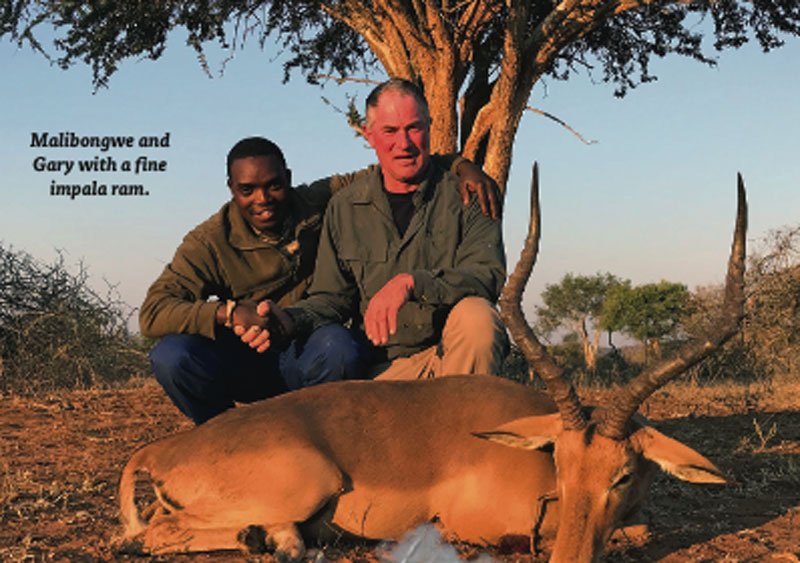
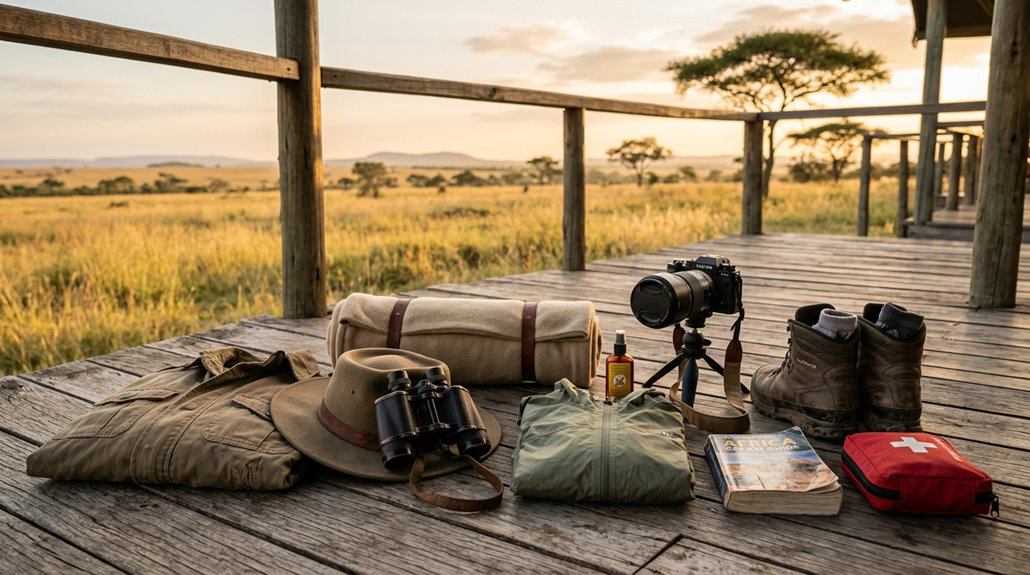
Choose broken-in walking boots with ankle support for rough terrain; sole hardness 55–65 on Shore A for durability. For vehicle days, trainers with aggressive tread suffice. Consider what to wear on a hunting safari: neutral colours, waterproof breathable uppers, and stiff shanks for thorn protection.
Sun gear is mandatory. Pack a wide-brimmed hat, UV 400 sunglasses, and SPF 50+ sunscreen. South African hunting outfitters recommend packing sun gear suited to Limpopo bush conditions, where heat and glare are intense across open concessions.
Lightweight long sleeves reduce sun and insect exposure.
Insect protection saves trips. Use EPA-registered repellents with 20–30% DEET or 10–30% picaridin. Treat clothing with permethrin at 0.5% concentration. Follow label directions.
Boots with a fully gusseted tongue and aggressive tread will help keep out sand and protect against thorns and snakes suitable for treks.
Gear, Documents, and Camp Comforts: Chargers, Binoculars, Meds, and Toiletries
Pack your travel documents and core gear in a single, clearly labelled pouch so you can access essentials quickly at checkpoints and transfers.
Keep passport (6 months’ validity), e-tickets, itinerary, visas, and insurance copies together. Contact your safari organiser before booking flight tickets to confirm South Africa hunting permits are prepared and submitted with accurate documentation ahead of your departure.
Carry prescription meds in original containers, plus meds and first-aid basics for minor injuries and motion sickness.
Bring spare glasses.
- Chargers and power banks: consolidate cables, bring 20,000 mAh power bank, and spare batteries.
- Camera support: tripod or monopod, 100–400mm lens options, memory cards (at least 128 GB each).
- Binoculars: 8×42 or 10×42 models, microfibre cloths, dust covers.
- Toiletries and camp comforts: sunscreen SPF 50, insect repellent, moisturiser, hand sanitiser.
You’ll join a capable group, with logistics managed for a great result. Ensure you also carry photocopies and digital backups of important papers in case originals are lost or delayed backup copies.